


Honda’s recent financial disclosure revealed a notable decline in their fourth-quarter earnings, attributed to a combination of global economic challenges and industry-specific issues. The automotive giant reported a substantial downturn, highlighting the impact of fluctuating demand and supply chain disruptions.
Among the primary factors affecting Honda’s performance was the ongoing semiconductor shortage, which has severely impacted automotive production worldwide. The shortage has forced many car manufacturers, including Honda, to scale back production, leading to decreased revenue and profits. Additionally, rising raw material costs have further strained the company’s financials.
Moreover, Honda has faced stiff competition from both traditional automakers and emerging electric vehicle (EV) companies. As consumer preferences shift towards sustainable and technologically advanced vehicles, Honda has been investing heavily in its EV lineup. However, these investments are yet to translate into significant profits, adding to the financial pressure.
The company’s strategic initiatives to transition to electric mobility are part of a broader industry trend. As governments worldwide impose stricter emissions regulations, automakers are compelled to accelerate their EV production. Honda’s commitment to launching more EV models is a step towards aligning with these regulatory changes and consumer expectations.
Financial analysts have noted that while Honda’s current financial results are disappointing, the company’s long-term prospects remain promising. The ongoing investments in EV technology and infrastructure development are expected to yield positive outcomes in the future. Furthermore, Honda’s global brand recognition and loyal customer base provide a solid foundation for recovery.
Looking ahead, Honda has outlined plans to enhance its supply chain resilience and streamline operations. The company is exploring partnerships with semiconductor manufacturers to secure a steady supply of critical components, minimizing the risk of future production disruptions. Additionally, Honda aims to optimize its production processes to reduce costs and increase efficiency.
Despite the current challenges, Honda remains committed to its vision of sustainable growth. The company is focused on innovation and is determined to overcome the hurdles presented by the volatile market conditions. As the automotive industry continues to evolve, Honda’s adaptability and strategic foresight will play crucial roles in its recovery and growth trajectory.
Footnotes:
- Honda’s earnings report highlighted the impact of the global semiconductor shortage on production. Source.
- The company is focusing on expanding its electric vehicle lineup to meet rising demand. Source.
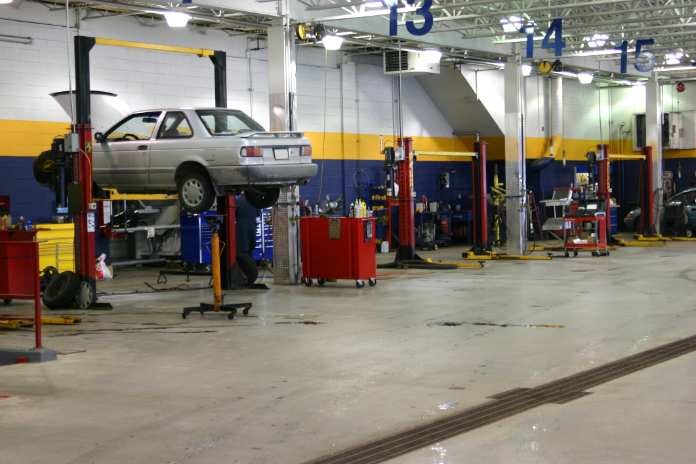
Featured Image: Megapixl @ Pinkcandy