


In recent years, corporate restructuring has become a prominent strategy for many major companies aiming to streamline operations and enhance shareholder value. Two notable examples are DuPont and Honeywell, both of which embarked on significant splits to focus on their core strengths and adapt to changing market demands.
DuPont, a historical giant in the chemical industry, announced its decision to split into three distinct entities, each concentrating on specific sectors. This strategic move was driven by the need to foster innovation and agility within each segment, allowing for more targeted investments and operational efficiencies. The three new companies, each with its own management team and strategic priorities, are expected to better align with market trends and customer needs.
Similarly, Honeywell, a leader in industrial technology, opted for a spin-off strategy, separating its home and transportation systems divisions. This decision was influenced by the desire to focus more intently on high-growth areas such as aerospace and building technologies. By divesting non-core operations, Honeywell aims to enhance its competitive edge in these key sectors.
Both companies faced challenges in executing these complex splits. For DuPont, the primary hurdle was ensuring a smooth transition for employees and stakeholders, while maintaining operational continuity across the newly formed entities. Honeywell, on the other hand, had to address concerns about market perception and investor confidence as it shifted its business focus.
Despite these challenges, the benefits of such strategic splits are evident. For DuPont, the newfound operational focus is expected to drive innovation and growth in its core areas of specialty products, agriculture, and materials science. Honeywell anticipates that its streamlined operations will lead to improved financial performance and a stronger presence in rapidly evolving markets.
Investors have responded positively to these restructuring efforts, as evidenced by stock performance post-split. DuPont’s strategic clarity and focus on core competencies have been well-received by the market, while Honeywell’s emphasis on high-growth industries has bolstered investor confidence in its long-term prospects.
In conclusion, the strategic splits undertaken by DuPont and Honeywell highlight the importance of agility and focus in today’s competitive business landscape. By realigning their operations with market demands and shareholder expectations, both companies are well-positioned to capitalize on future opportunities and drive sustained value creation.
Footnotes:
- DuPont’s strategic separation into three companies aimed to enhance focus and operational efficiency. Source.
- Honeywell’s spin-off of its home and transportation systems divisions was designed to concentrate on high-growth areas such as aerospace. Source.
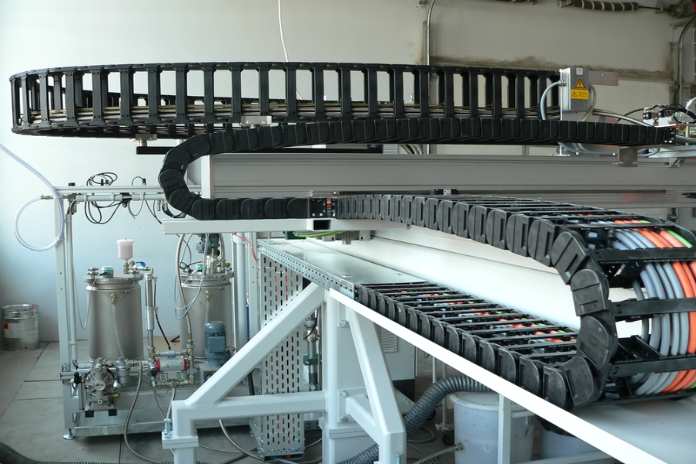
Featured Image: Megapixl @ Dreef