


The electric vehicle (EV) market is evolving rapidly, with new players entering the scene and established names pushing the boundaries of technology and design. Among these, Lucid Motors and Rivian have emerged as noteworthy competitors, each offering unique value propositions to investors and consumers alike.
Lucid Motors, known for its luxury electric sedans, has aimed to capture the high-end market segment. The company’s flagship model, the Lucid Air, boasts impressive performance metrics, including a remarkable range that challenges Tesla’s dominance in this sector. With its focus on luxury and performance, Lucid Motors aims to appeal to a niche but growing market of consumers willing to pay a premium for quality and innovation.
On the other hand, Rivian has taken a different approach by targeting the adventure and utility vehicle market. Known for its rugged and capable electric trucks and SUVs, Rivian aims to attract outdoor enthusiasts and those in need of practical, versatile vehicles. The Rivian R1T pickup and the R1S SUV have been designed to offer off-road capabilities and long-range performance, making them ideal for both urban settings and wilderness adventures.
Financially, both companies have shown promise, with substantial investments and partnerships fueling their growth. Lucid Motors has garnered significant attention from investors, particularly after its public debut. The company has been backed by major investors from Saudi Arabia, providing it with a solid financial foundation to ramp up production and expand its market reach.
Rivian, meanwhile, has also secured significant funding, including investments from Amazon and Ford. These strategic partnerships not only provide financial support but also open avenues for technological collaboration and market expansion. Amazon’s investment, in particular, highlights Rivian’s potential in the commercial vehicle space, as the e-commerce giant plans to integrate Rivian’s technology into its delivery fleet.
Despite their strengths, both Lucid and Rivian face challenges typical of the EV industry. Supply chain issues, production delays, and intense competition from established automakers and other EV startups pose significant hurdles. Additionally, the broader market’s response to sustainability and environmental concerns will play a crucial role in shaping their futures.
Investors looking to capitalize on the growth of the EV sector must consider the unique offerings and market strategies of Lucid Motors and Rivian. While Lucid appeals to the luxury market, Rivian’s focus on utility and adventure vehicles offers a distinct alternative. The choice between the two ultimately depends on one’s investment strategy and belief in the respective company’s ability to execute its vision effectively.
In conclusion, both Lucid Motors and Rivian are poised to play significant roles in the future of electric mobility. Their differing approaches and strategic partnerships make them compelling options for investors seeking exposure to the burgeoning EV market.
Footnotes:
- Lucid Motors has been backed by significant investments from Saudi Arabia, facilitating its growth and market expansion. Source.
- Rivian’s strategic partnerships with Amazon and Ford provide financial support and open new avenues for technological collaboration. Source.
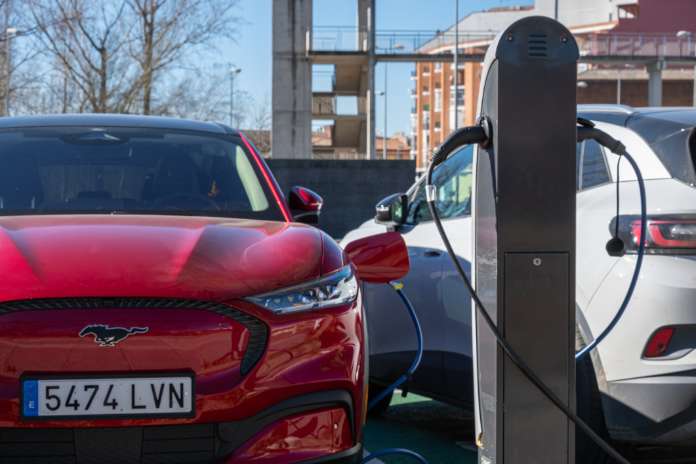
Featured Image: Megapixl @ Marioeliasmv